SCAFFOLDS
Scaffolding
Services
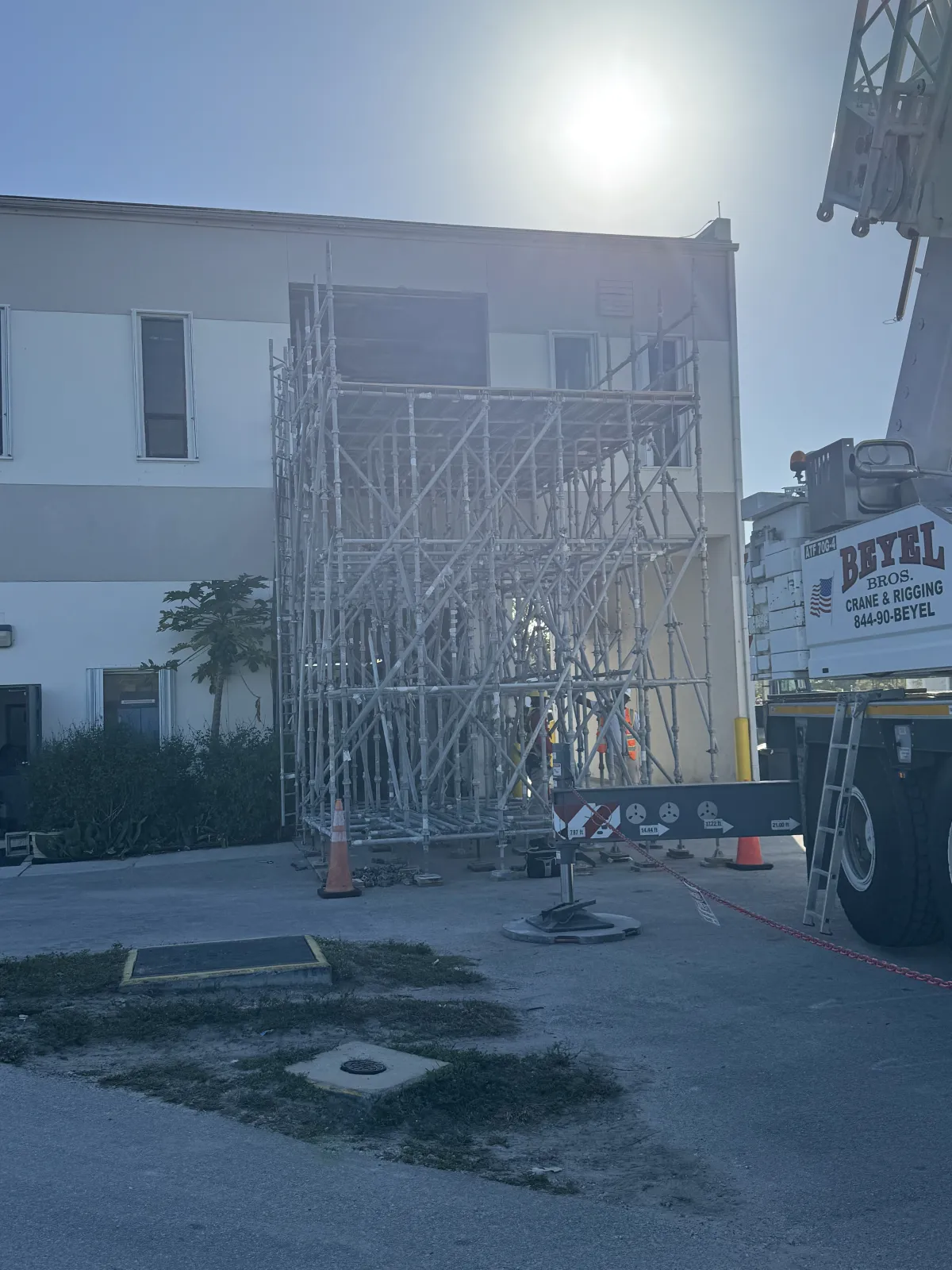
Scaffold Pro delivers scaffolding solutions with precision and purpose. Each project begins with a thorough site assessment to understand what’s needed and how best to support the work ahead. Our OSHA-certified team designs, installs, and maintains scaffolding that’s stable, code-compliant, and built for real-world job conditions. Every detail is handled with care, so your crew can stay focused and your project stays on schedule.
Consultation and Site Assessment
Begins with understanding the client’s specific project requirements, conducting site assessments to evaluate structural needs, and determining the appropriate scaffolding type.
Involves collaboration with engineers and project managers to ensure that scaffolding is custom-designed to meet project demands and safety standards.
Design and
Engineering
Professional scaffolding companies
use design expertise to create detailed plans
tailored to each site.
Engineers ensure that scaffolding meets local regulations and safety standards, accounting for factors like weight load, environmental conditions, and specific project activities.
Installation and
Setup
Skilled technicians install the scaffolding, using standardized methods and equipment to ensure stability and safety.
The setup includes using safety features like guardrails, ladders, toe boards, and netting to protect workers and the surrounding environment.
On-Site Management and Maintenance
Regular inspections and adjustments are performed throughout the project to ensure the scaffolding remains secure, especially during long-term projects.
Quick response to any maintenance needs, such as replacing damaged parts, adjusting the structure as project needs change, or ensuring compliance with safety regulations.
Dismantling and Removal
Once the project is complete, the scaffolding team safely dismantles and removes the structure.
Proper dismantling minimizes disruption to the site and ensures that all materials are efficiently and safely cleared.
Safety and
Compliance
Scaffolding services prioritize safety by following OSHA standards and other industry regulations.
Technicians and engineers often receive specialized training to handle the specific risks associated with scaffolding, including fall protection, weight distribution, and structural integrity.
Let’s Build Something Together That Lasts
Whether you need scaffolding, shrinkwrap, or equipment you can count on, Scaffold Shrinkwrap is ready to help. Reach out today and talk to a team that puts safety, service, and experience first. Call Today!
Call Today (305) 984-4278